
ORAL HEALTH
What can a maxillofacial surgeon do for your oral health?
We know you have many questions about what a maxillofacial surgeon does, what they can do for you, when you should book an appointment to see them, what problems they treat depending on your needs, and the recovery process depending on the procedure.
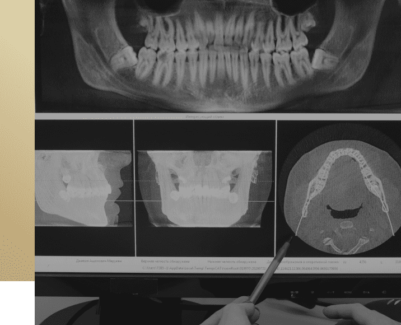
What is a maxillofacial surgeon?
A maxillofacial surgeon works in the branch of dentistry focused on treating facial and jaw fractures, dental pathologies, craniofacial anomalies, and facial cosmetic surgery. It's perhaps the least known specialty in dentistry — and the one that raises the most questions when a patient first hears they need it.
It's the specialty formed at the intersection of medicine and dentistry. That's why, beyond wisdom teeth — the most common reason patients come in — a maxillofacial surgeon also corrects the bite, treats cysts or tumors in the jawbones, and handles cases of facial trauma.
What procedures does a maxillofacial surgeon perform?
The most frequent case is wisdom teeth: molars that tend to grow in awkward positions and cause pain or crowd the other teeth. At David Martinez, Maxillofacial Surgeon, this procedure is done with 3D planning technology, aiming for a fast recovery with the least pain possible.
We also use that same technology to show you before surgery how the result will look, resolve your questions in consultation, and build confidence before the procedure. Before your surgery we give you practical recommendations — from having ice at home to buying your medications ahead of time — because we don't rush: the time dedicated to each patient is part of the care.
When the problem goes beyond a single tooth — for example, a bite that doesn't close properly or difficulty breathing due to the position of the jaws — the recommended treatment is minimally invasive orthognathic surgery, which repositions the jaws to improve both function (bite and breathing) and facial balance, with a recovery time of 1 to 2 weeks.
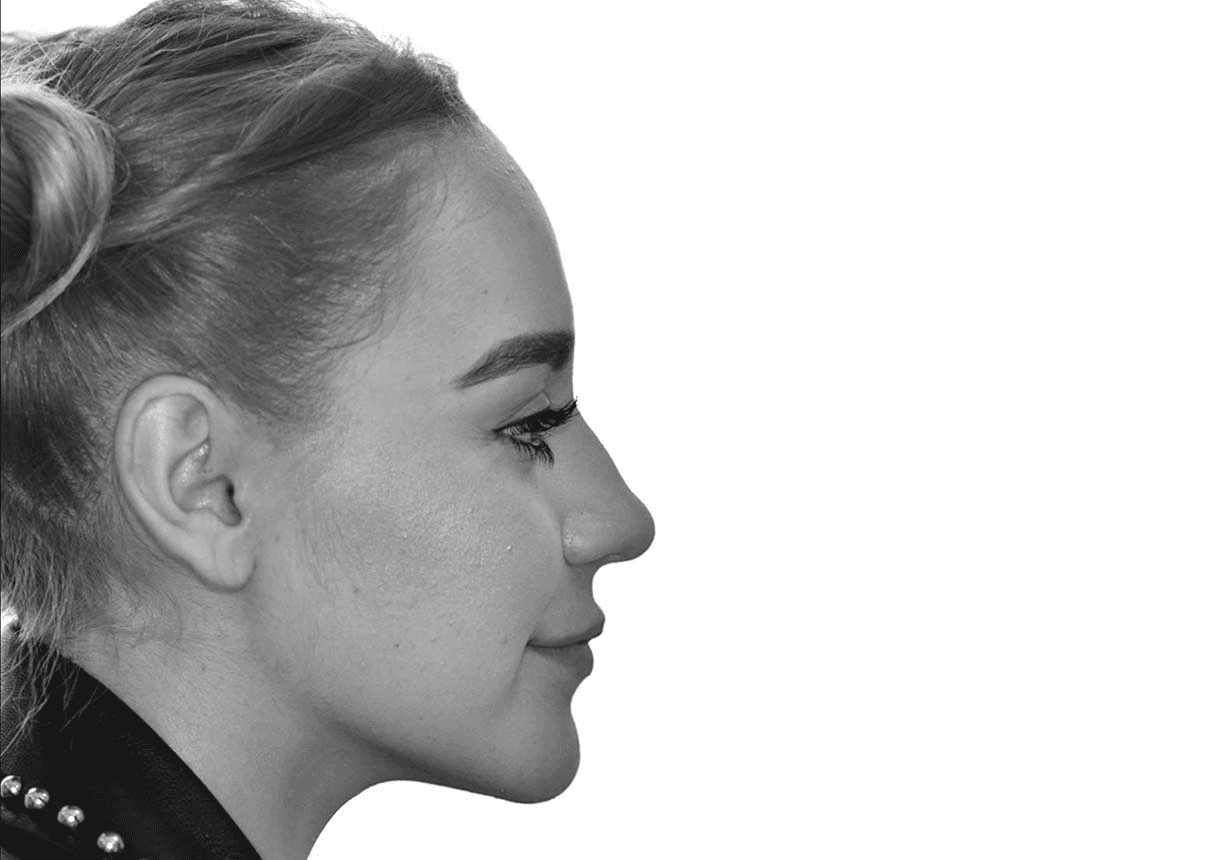
Another common procedure is bichectomy (buccal fat removal), which refines cheekbone contour and helps define the face. A maxillofacial surgeon can also remove benign tumors, reconstruct areas of the face affected by trauma, and address issues related to the jaws, including single-tooth or full-arch dental implants — to restore an entire set of teeth, not just one tooth.
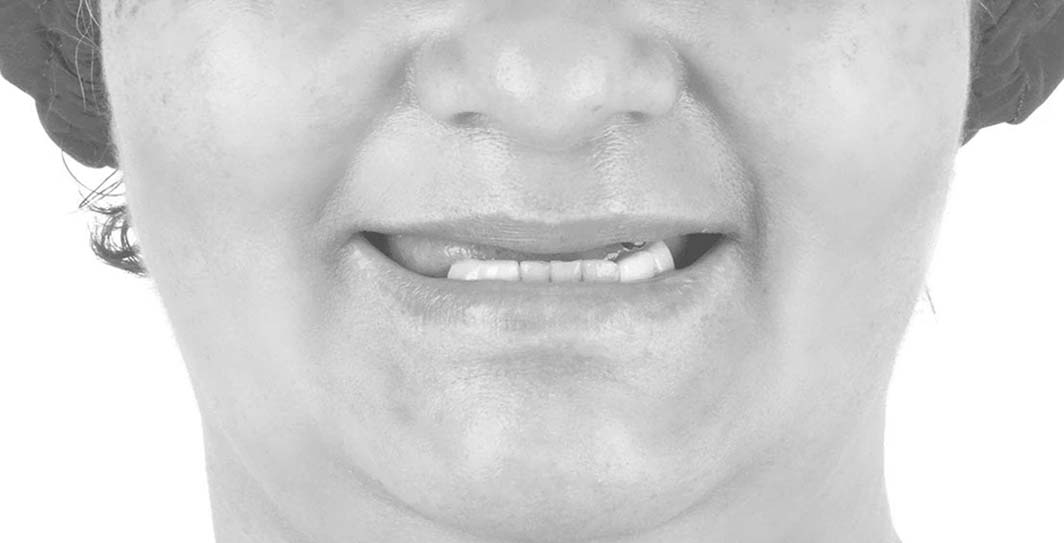
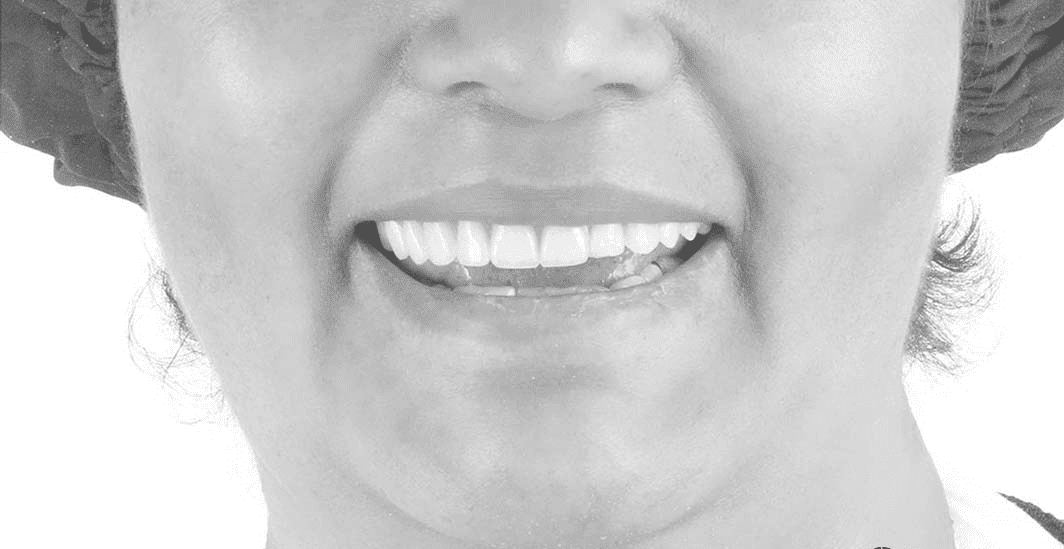
Real case already published on the site's Implants page.
When should I see a maxillofacial surgeon?
You can consult for both aesthetic and oral health reasons: wisdom teeth, bite or jaw correction, or procedures such as bichectomy, mentoplasty, or smile design, always working with the patient’s own facial structure. If the complexity of the case requires it, the maxillofacial surgeon works together with the orthodontist to achieve the best result.
What questions should I ask the maxillofacial surgeon during the consultation?
Arriving with clear questions helps build trust from the very first moment. Before booking: is the consultation in person or virtual? Do I need to bring previous test results? Before the procedure: how long does the surgery take? What level of pain can I expect? Do I need sedation or local anesthesia? How long is the recovery and what care do I need to follow?
The maxillofacial surgeon is a hybrid specialty between medicine and dentistry, which requires constant updating to deliver the best results. Keep in mind that at David Martinez, Maxillofacial Surgeon, we have a team that supports you at every step of the process, so you get the results you’re looking for with the best technology available.
Still have questions about whether you need a maxillofacial surgeon? Dr. David Martinez and his team are with you from the very first consultation. Book your appointment in Bogota or Cajica.
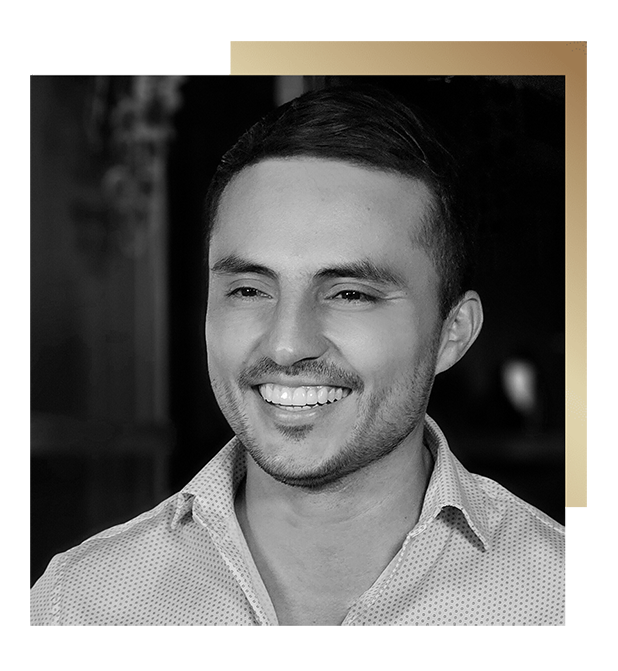
Written and reviewed by
David Martinez, Maxillofacial Surgeon
Expert and pioneering maxillofacial surgeon with over 10 years of experience in minimally invasive orthognathic surgery and dental implants. Graduate of Pontificia Universidad Javeriana.
Book an appointment →